


This blog post contains heavy spoilers for the Attack on Titan series.
Historical Parallels: The Weight of the Past
One of the strongest parts of the series is how it deals with inherited guilt and historical trauma. The Eldians inside the walls are punished for the sins of their ancestors, while Marley uses that history to justify cruelty and discrimination. It feels uncomfortable because it mirrors how real societies carry the weight of the past in ways that never fully disappear.
The treatment of Eldians also echoes real-world examples of segregation, ghettos, and forced separation. Once a group is reduced to a label, it becomes easier to treat them as less than human. That is how oppression sustains itself.
Propaganda and the Manufacturing of Truth
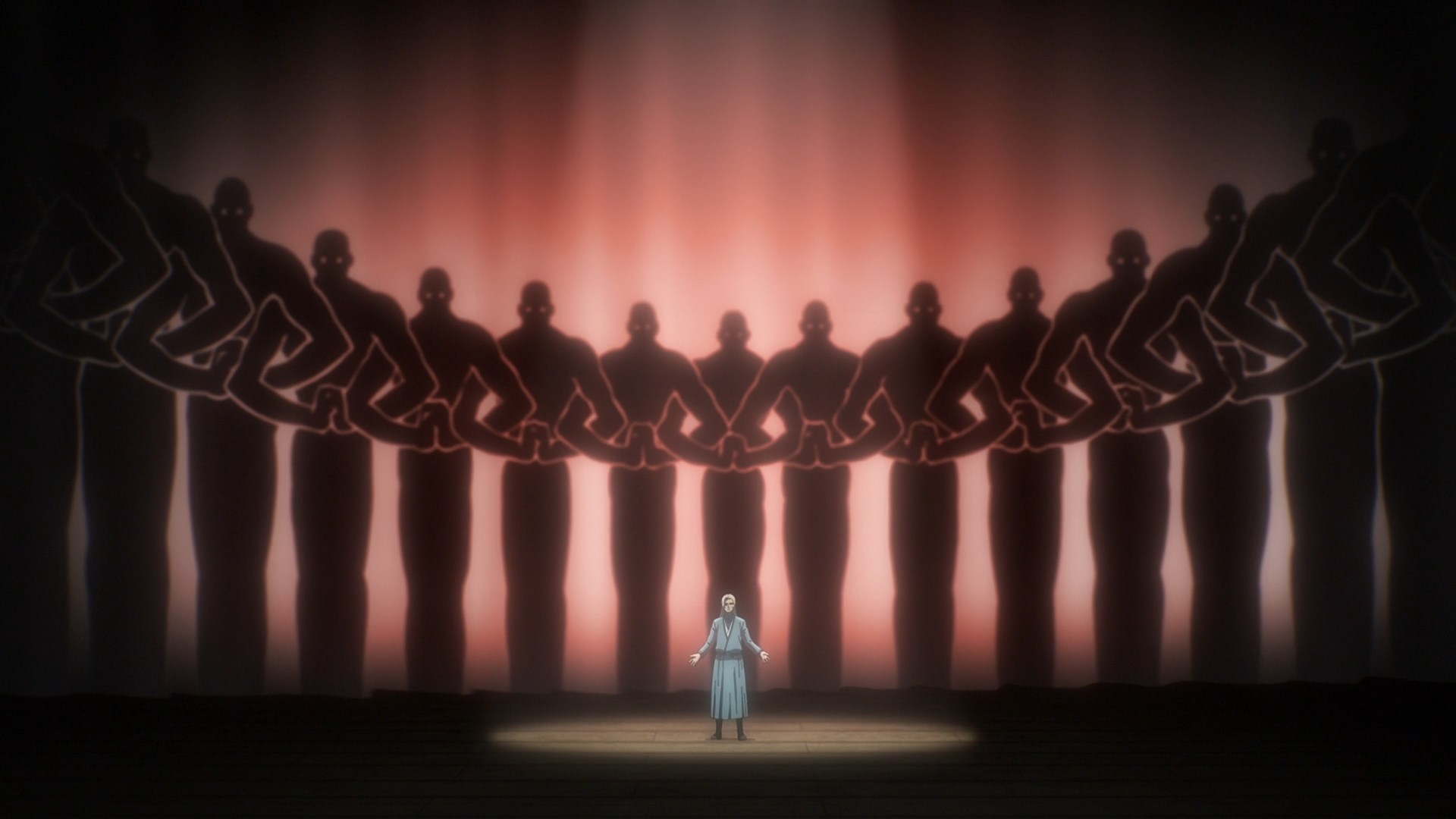
The story also shows how power can shape truth. For most of their lives, the people inside the walls believed they were the last of humanity. That lie was enough to keep them fearful, obedient, and isolated.
That part feels especially relevant because propaganda does not always look obvious. Sometimes it comes through selective history, repeated narratives, and fear. When people only hear one version of the truth, they stop questioning what they are being told.
The Military-Industrial Complex and Child Soldiers
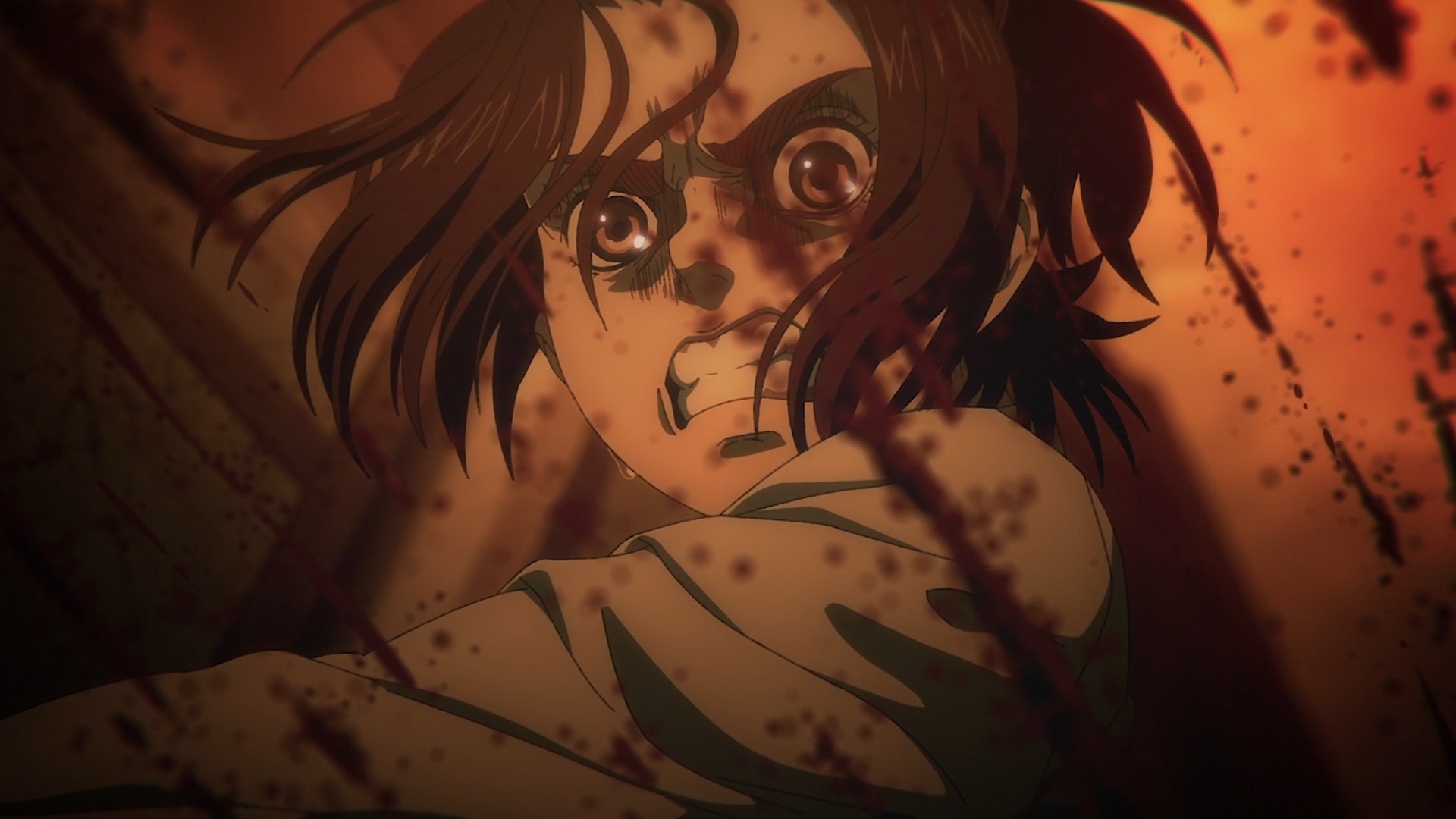
Marley’s use of Eldian children as Warriors is one of the harshest parts of the story. It shows how systems can take the most vulnerable and turn them into weapons.
This is what makes the military side of the series so unsettling. War is not just about armies and strategy. It is also about who gets sacrificed, who gets used, and who is taught to see violence as duty.
Nationalism, Patriotism, and the Other
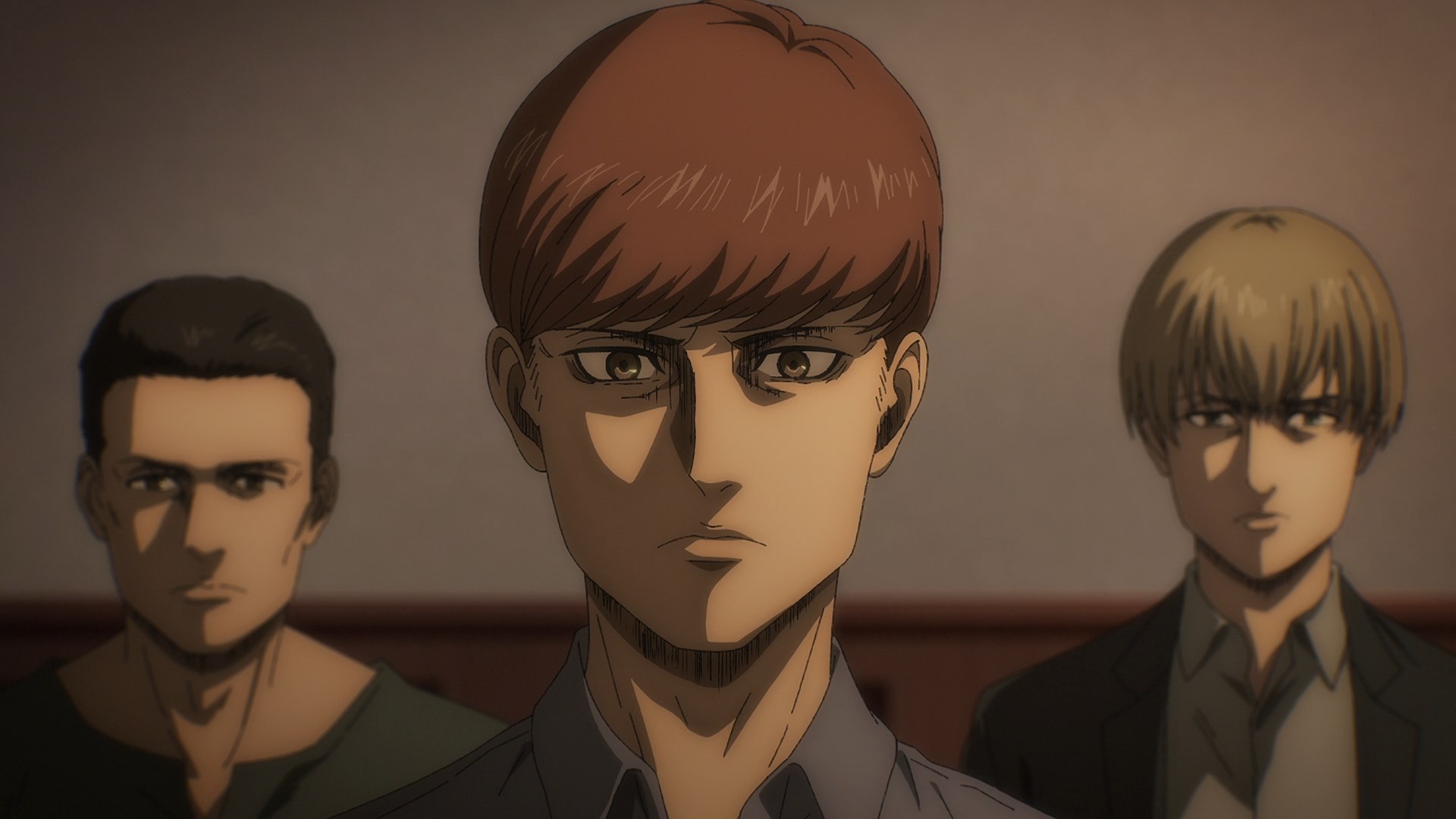
Attack on Titan is also a story about how people create enemies out of each other. Marley sees Eldians as devils. Paradis sees the outside world as a threat. Both sides are trapped inside the same kind of thinking.
That is what makes the story hit so hard. Once people stop seeing the other side as human, everything becomes easier to justify. Fear starts to sound like patriotism, and cruelty starts to sound like protection.
The Rumbling: Ultimate Violence as Ultimate Defence
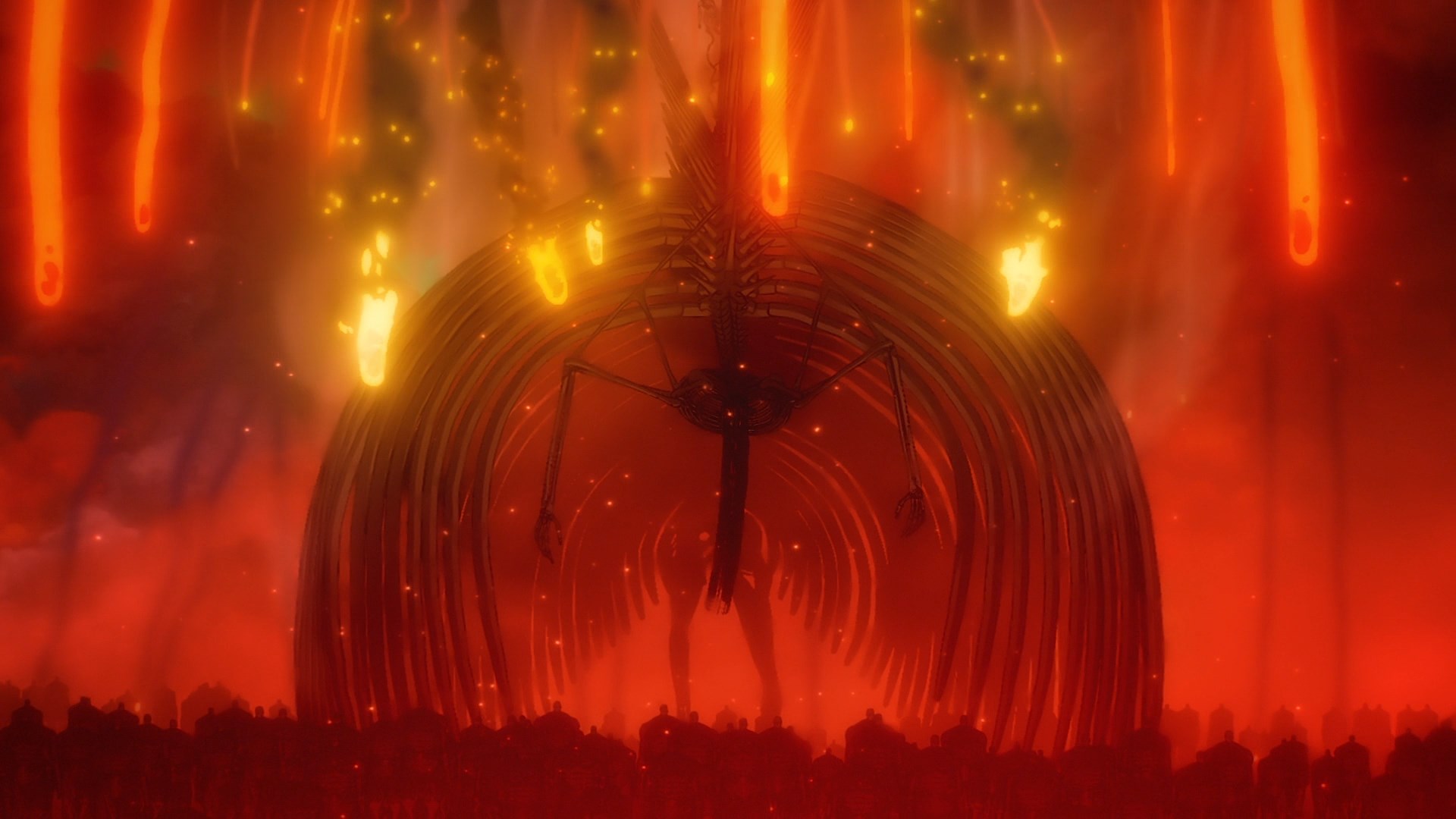
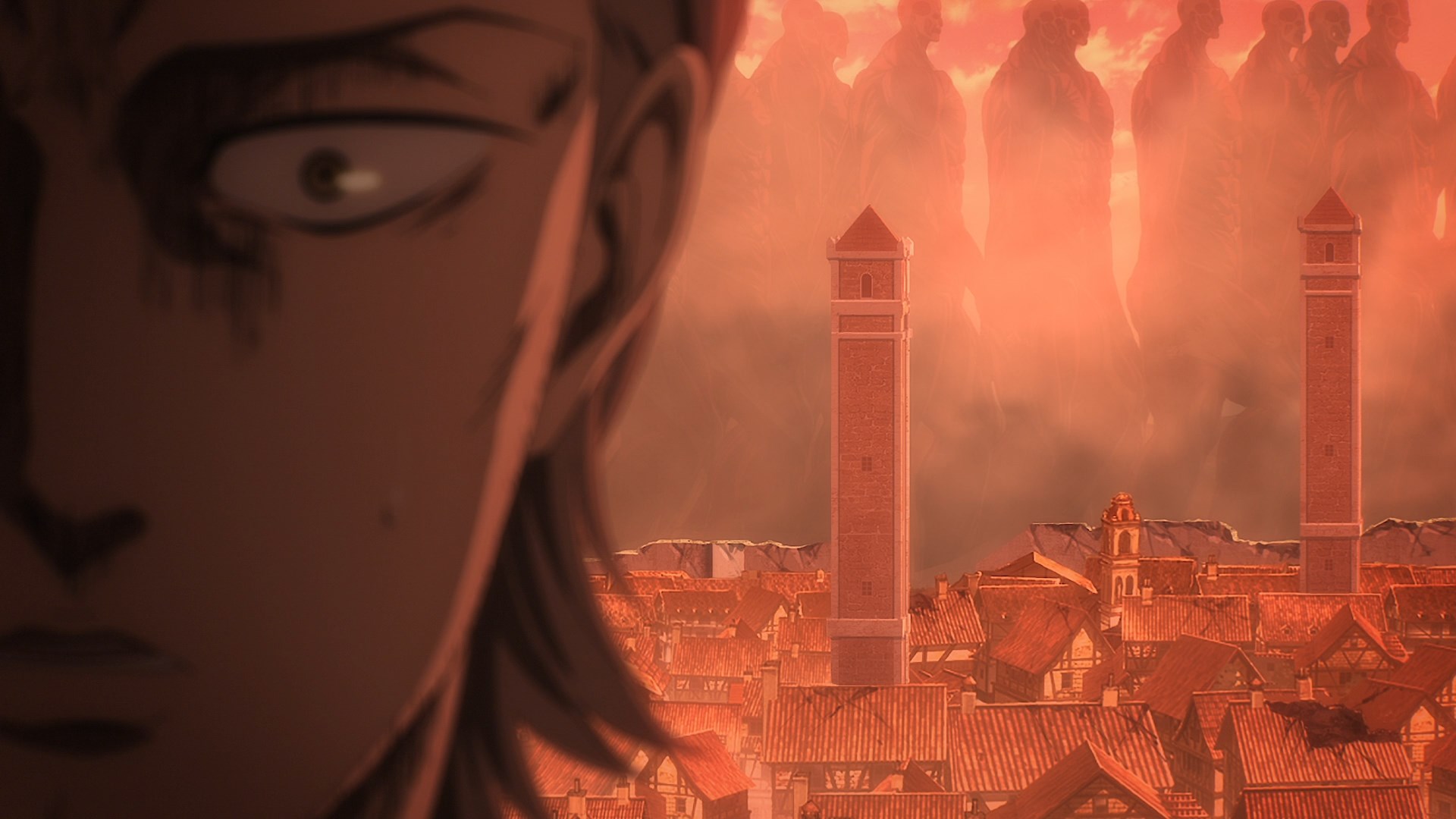
Eren’s choice to unleash the Rumbling is one of the most disturbing parts of the series. It forces us to ask how far someone can go when they believe survival is the only goal left.
The Rumbling is not just destruction. It is what happens when fear, trauma, and desperation are allowed to become ideology. The story does not present it as something admirable. It presents it as the horrifying result of choosing total violence as a form of safety.
The Failure of Communication and Peace
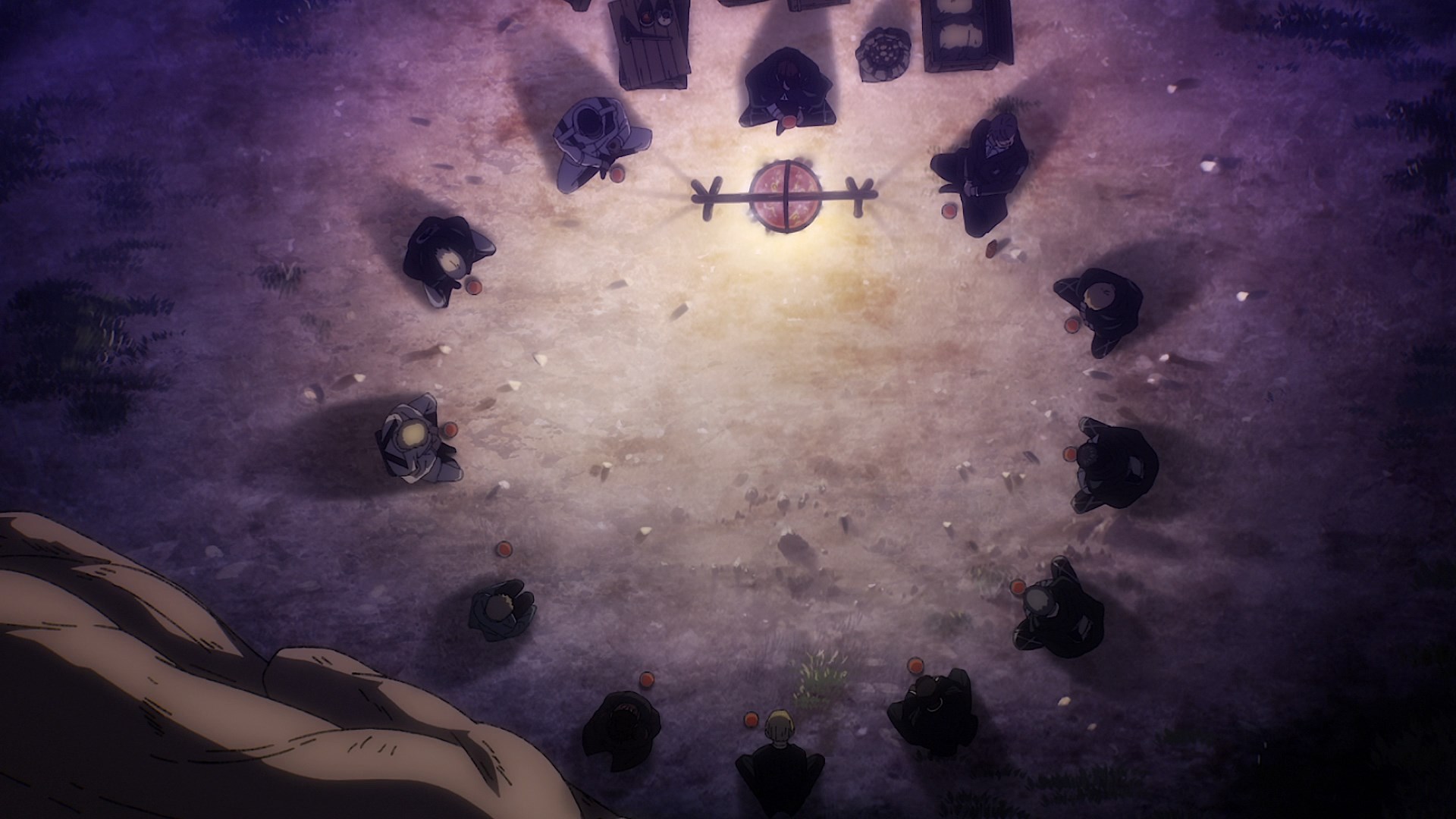
At its core, Attack on Titan is also a tragedy about failed communication. There are moments where understanding seems possible, but they never last long enough to matter.
That is what makes the story feel so close to the real world. So many conflicts continue not because peace is impossible, but because people are too trapped in their own pain, history, and pride to listen. The series shows how easily conversation gets replaced by retaliation.
Individual Agency in Systems of Violence
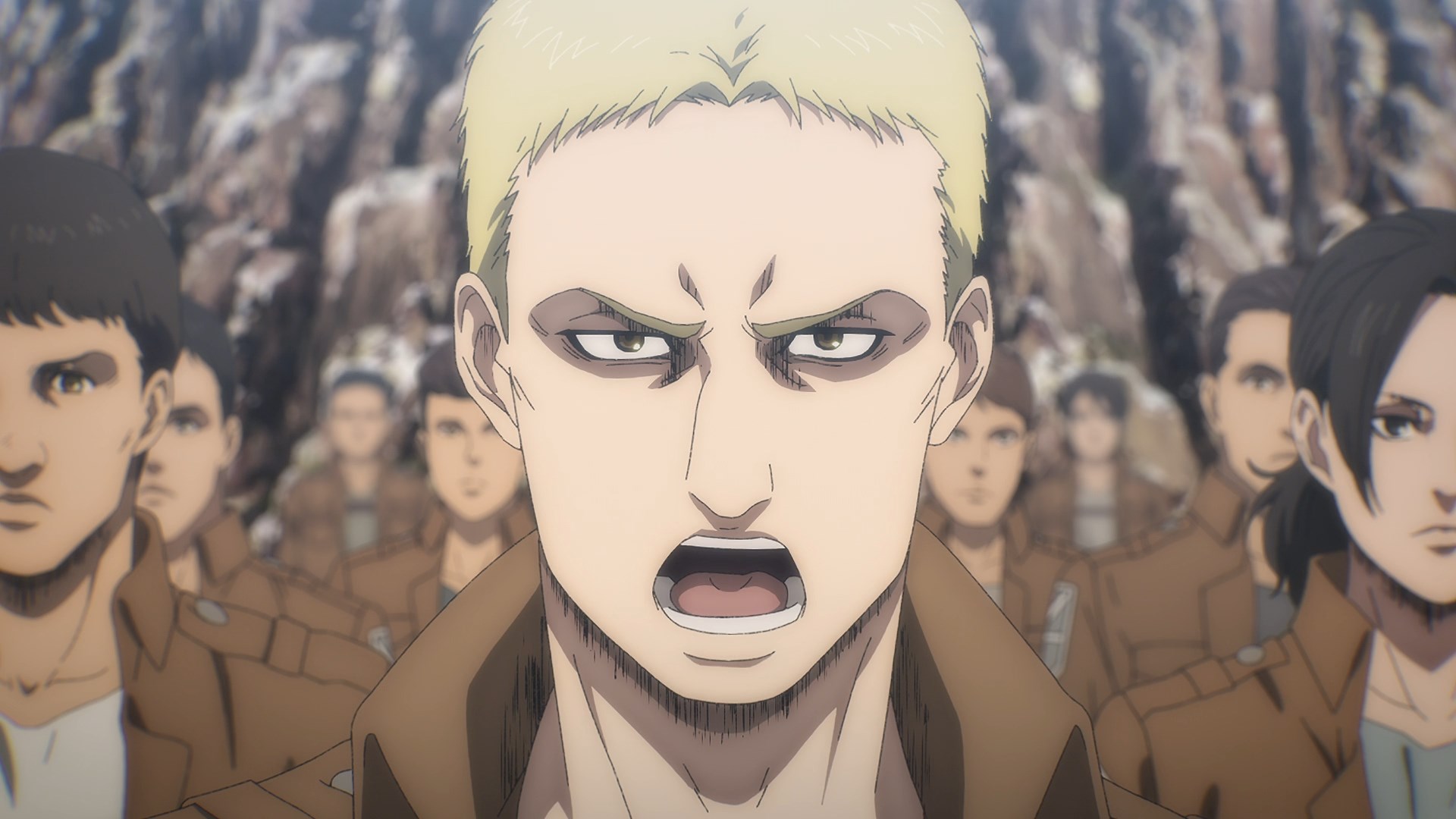
The story also asks uncomfortable questions about personal responsibility. How much choice does someone really have when they are raised inside a system of violence?
Characters like Reiner, Eren, and even the soldiers around them all show different sides of that struggle. Some follow orders, some believe they are doing the right thing, and some lose themselves completely. The series reminds us that systems shape people, but people still make choices.
Breaking the Cycle: Is Redemption Possible?
One of the deepest questions in the series is whether the cycle of violence can ever really be broken. Every generation seems to inherit the hatred of the one before it.
Still, the story leaves room for the possibility of change. Characters like Gabi and Falco show that understanding can happen, even in a world built on division. It may not be enough to fix everything, but it matters.
Lessons for Our Time
What makes Attack on Titan powerful is not that it gives easy answers. It is that it reflects the same kinds of problems we still deal with now. Dehumanization, propaganda, nationalism, and fear are not just fictional themes. They are real patterns that still shape the world.
The series is a reminder that once people start seeing others as less human, everything else becomes easier to excuse. It also reminds us that violence rarely ends cleanly. It usually creates more of itself.
Conclusion
Attack on Titan works because it is not only about Titans. It is about us. It asks what happens when fear becomes identity, when history becomes justification, and when people stop seeing each other as human.
The walls in the story are not just physical. They are made of ideology, trauma, and the things people refuse to confront. Breaking out of them takes more than strength. It takes honesty, empathy, and the willingness to imagine something better.