

Historical Parallels: The Weight of the Past
The most immediate real-world connection lies in the series' exploration of historical trauma and intergenerational guilt. The Eldian people within the walls bear the sins of their ancestors' imperial conquests through the Eldian Empire, which once used the power of the Titans to dominate the world. This mirrors how modern nations grapple with colonial and imperial pasts—from Germany's relationship with the Holocaust to Japan's reckoning with its wartime actions in Asia.
The Marleyan treatment of Eldians, forcing them into ghettos, making them wear armbands, and using them as weapons of war, draws unmistakable parallels to the Jewish experience in Nazi Germany. However, Isayama complicates this allegory brilliantly: the oppressed Eldians themselves were once oppressors who committed atrocities using Titan power. This nuance reflects the messy reality that victims and victimizers are not always clearly delineated throughout history, and that cycles of violence often see the oppressed become oppressors when power dynamics shift.
The internment zones where Eldians are forced to live evoke numerous real-world examples: Jewish ghettos in Nazi-occupied Europe, the segregation of African Americans in the United States, apartheid in South Africa, and even contemporary situations like the treatment of Rohingya Muslims in Myanmar or Palestinians in occupied territories.
Propaganda and the Manufacturing of Truth
One of Attack on Titan's most powerful commentaries concerns how governments manipulate information to control populations. For a century, the people within the walls believed they were the last remnants of humanity, living under constant threat from mindless monsters. This founding lie, perpetuated by the monarchy and enforced through memory manipulation, kept the population docile and prevented questions about the true nature of their world.
This resonates strongly with how authoritarian regimes control narratives. North Korea's isolation and propaganda machine keep citizens believing in a distorted version of global reality. China's Great Firewall controls information flow to shape public perception. Even democratic nations engage in selective historical education and media manipulation to maintain certain national narratives.
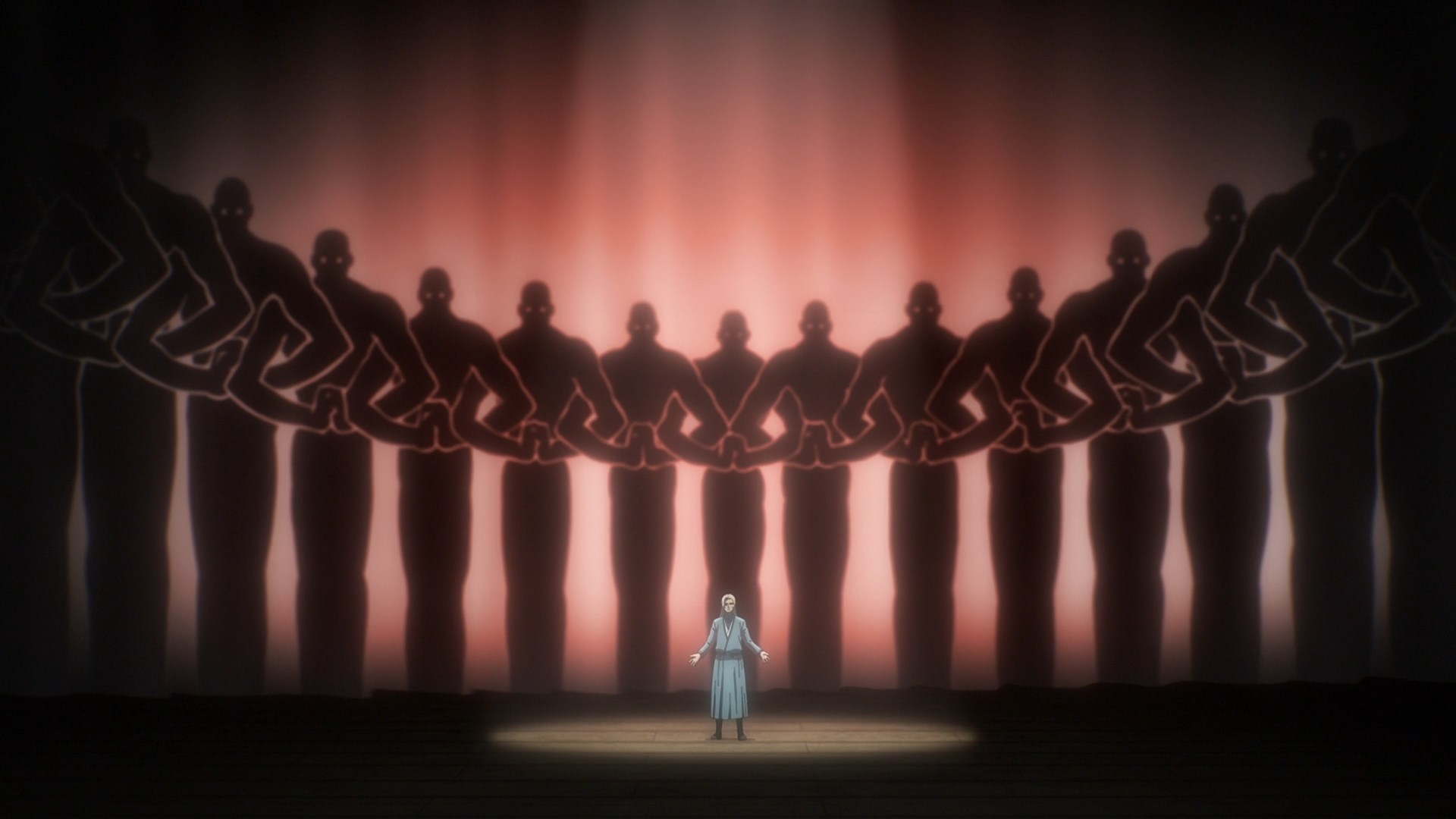
The character of Willy Tybur demonstrates how those in power craft stories to unite people against a common enemy. His theatrical declaration of war against Paradis Island uses emotional manipulation, selective historical framing, and spectacle to manufacture consent for violence. This mirrors how real-world leaders use rhetoric, media, and ceremony to justify military action—from the lead-up to the Iraq War based on weapons of mass destruction to countless other conflicts built on half-truths and fear-mongering.
The Military-Industrial Complex and Child Soldiers
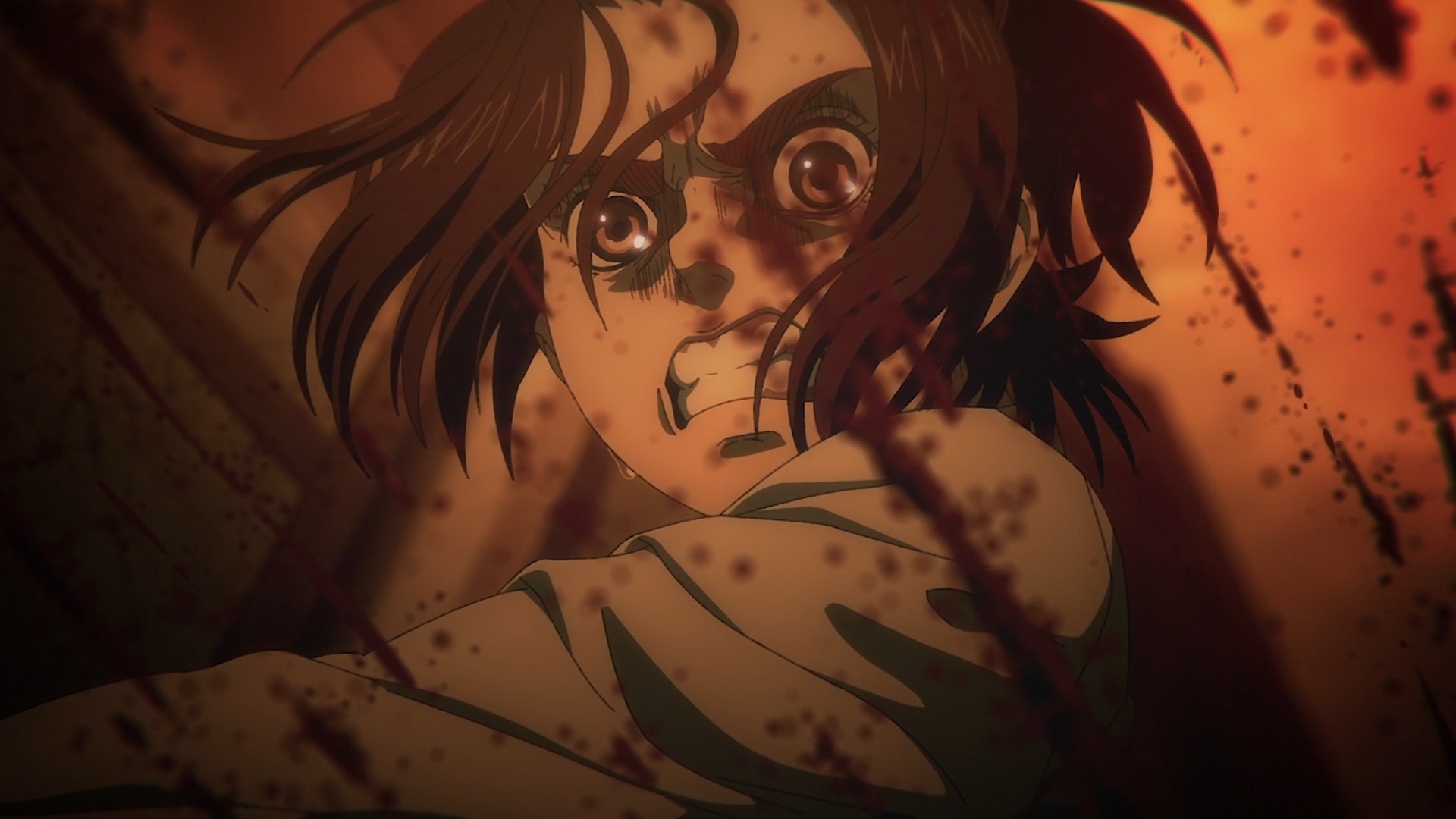
Attack on Titan's portrayal of the Warrior program—where Marley indoctrinates Eldian children to inherit Titan powers and fight for their oppressors—reflects the grim reality of child soldiers worldwide. Organizations like Boko Haram, the Lord's Resistance Army, and various militant groups have recruited children, often from marginalized communities, indoctrinating them to fight against their own interests.
The series also explores how military might becomes inseparable from national identity and economic survival. Marley's entire geopolitical position depends on Titan power, just as modern nations structure their economies around military industries. The United States military-industrial complex, where defense spending drives enormous sectors of the economy and employment, creates similar structural incentives for perpetual conflict.
Nationalism, Patriotism, and the Other
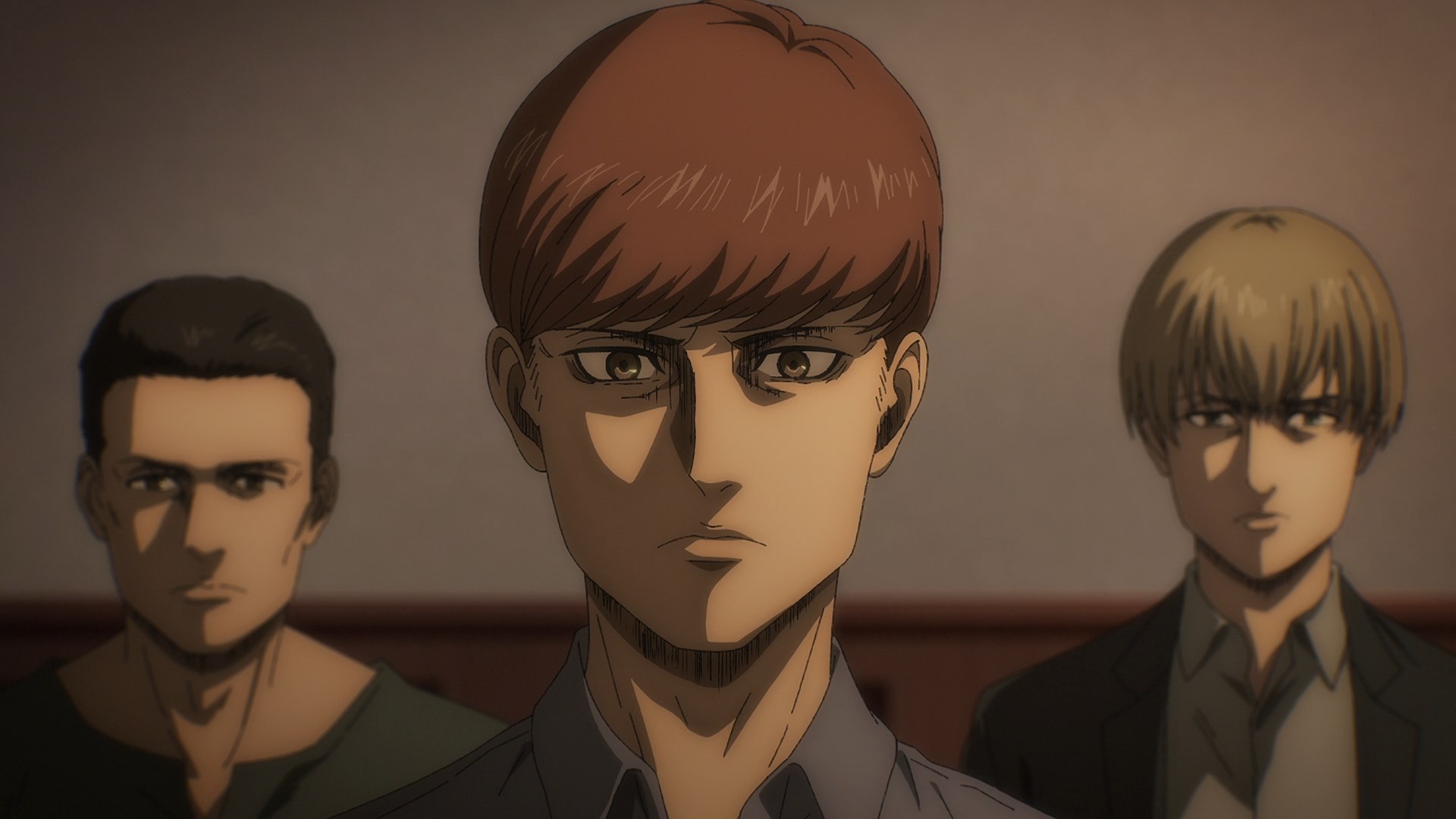
Perhaps the series' most relevant theme for our current global moment is its examination of nationalism and the construction of "the other." Characters on both sides of the conflict—whether Marleyans viewing Eldians as devils or Paradis Islanders viewing the outside world as enemies—demonstrate how dehumanization makes atrocity possible.
The Yeagerists' radical nationalism under Eren and Floch mirrors real-world ethno-nationalist movements that have gained prominence globally. Their rhetoric of protecting "our people" at any cost, their willingness to sacrifice individual freedoms for collective security, and their embrace of authoritarian leadership echo contemporary far-right movements from Europe to the Americas.
The Survey Corps' evolution from explorers seeking truth to participants in a global conflict reflects how noble intentions can be corrupted by the machinery of war. Characters like Hange, who sought knowledge and understanding, find themselves designing weapons and planning military strikes. This mirrors how scientists and intellectuals throughout history have been co-opted into serving wartime objectives, from the Manhattan Project to contemporary cyber warfare development.
The Rumbling: Ultimate Violence as Ultimate Defense
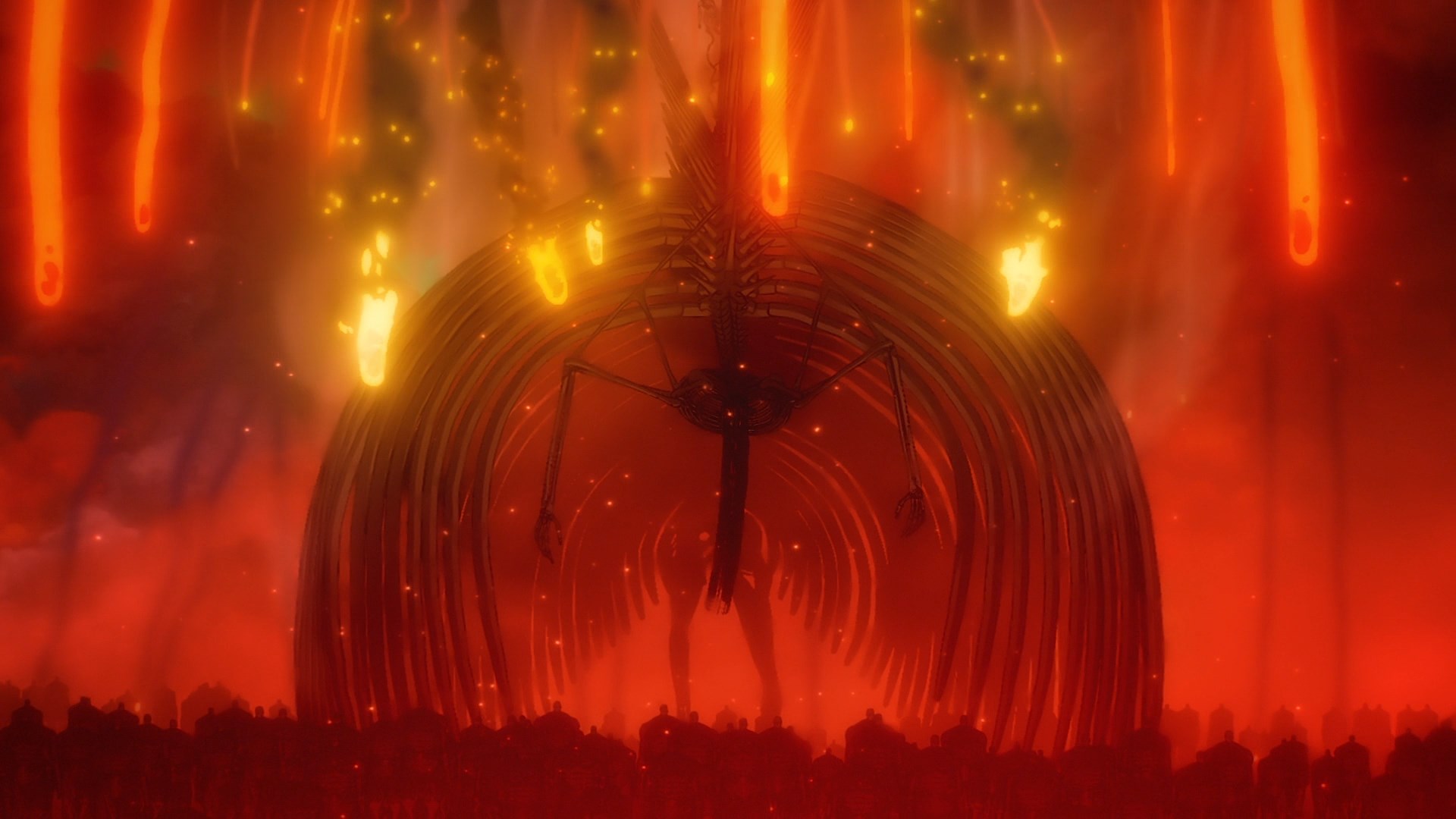
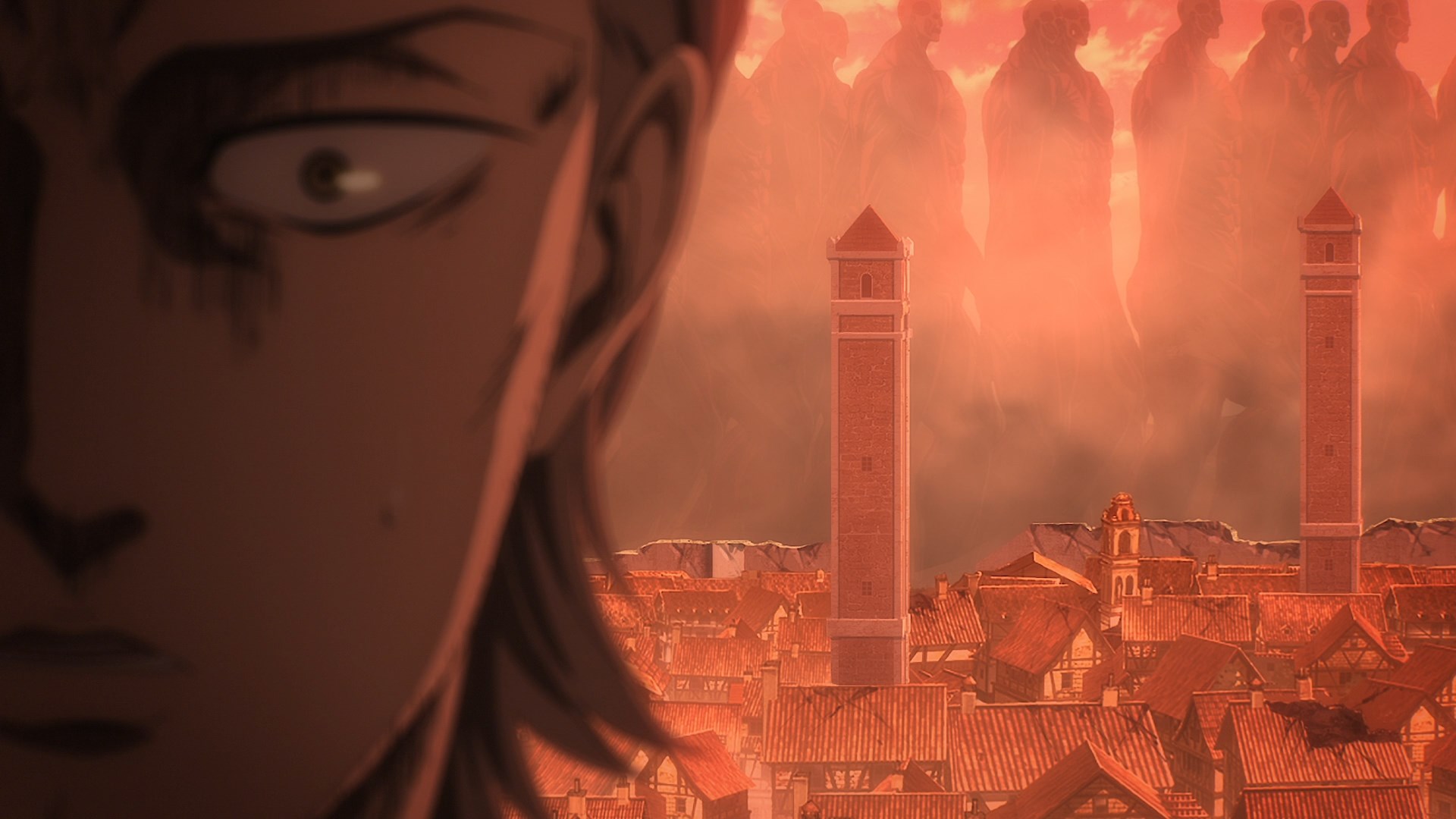
Eren's decision to activate the Rumbling—releasing millions of Colossal Titans to flatten the world beyond Paradis—represents perhaps the series' most controversial and philosophically challenging element. It forces viewers to confront an uncomfortable question: if a group faces existential threat and genocide, what level of preemptive violence becomes justifiable?
This mirrors real-world nuclear deterrence doctrine, particularly the concept of mutually assured destruction. Nations possess weapons capable of ending civilization, justified as defensive measures against existential threats. The Rumbling is essentially a nuclear holocaust made literal, raising questions about whether possessing such power, even without using it, is itself a form of violence.
Eren's belief that only total destruction of his enemies can ensure freedom for his people reflects extremist logic seen throughout history—from imperial Japan's kamikaze culture to modern terrorist organizations that see mass violence as the only path to their goals. The series doesn't endorse this view but forces viewers to understand the perspective of someone driven to such extremes by trauma, powerlessness, and a twisted sense of protectiveness.
The Failure of Communication and Peace
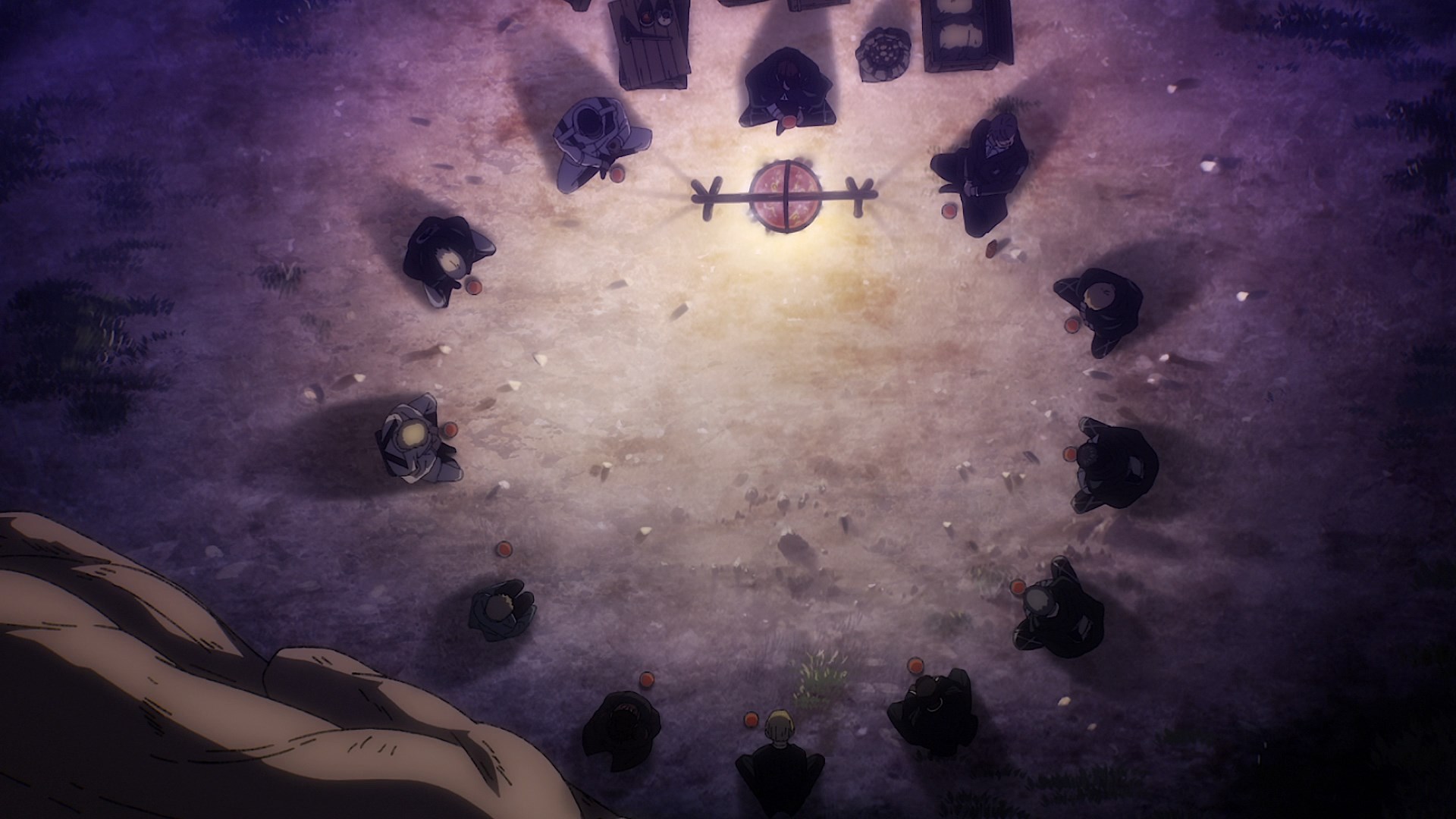
Attack on Titan is ultimately a tragedy about the failure of dialogue. Despite moments where understanding seems possible—Gabi and Falco living among the "island devils" and discovering their humanity, the brief cooperation between Paradis and outsiders—violence ultimately wins.
This reflects our world's persistent inability to resolve conflicts peacefully. The Israeli-Palestinian conflict, Kashmir, Yemen, Syria, and countless other situations demonstrate how historical grievances, power imbalances, and cycles of retribution make peace seem impossible even when both sides suffer tremendously.
The character of Gabi embodies this tragedy. Raised on propaganda, having her worldview shattered, experiencing the humanity of her supposed enemies, and yet still witnessing her friends and family die in the conflict—her journey shows how even those who achieve understanding struggle to break free from the momentum of historical hatred.
Individual Agency in Systems of Violence
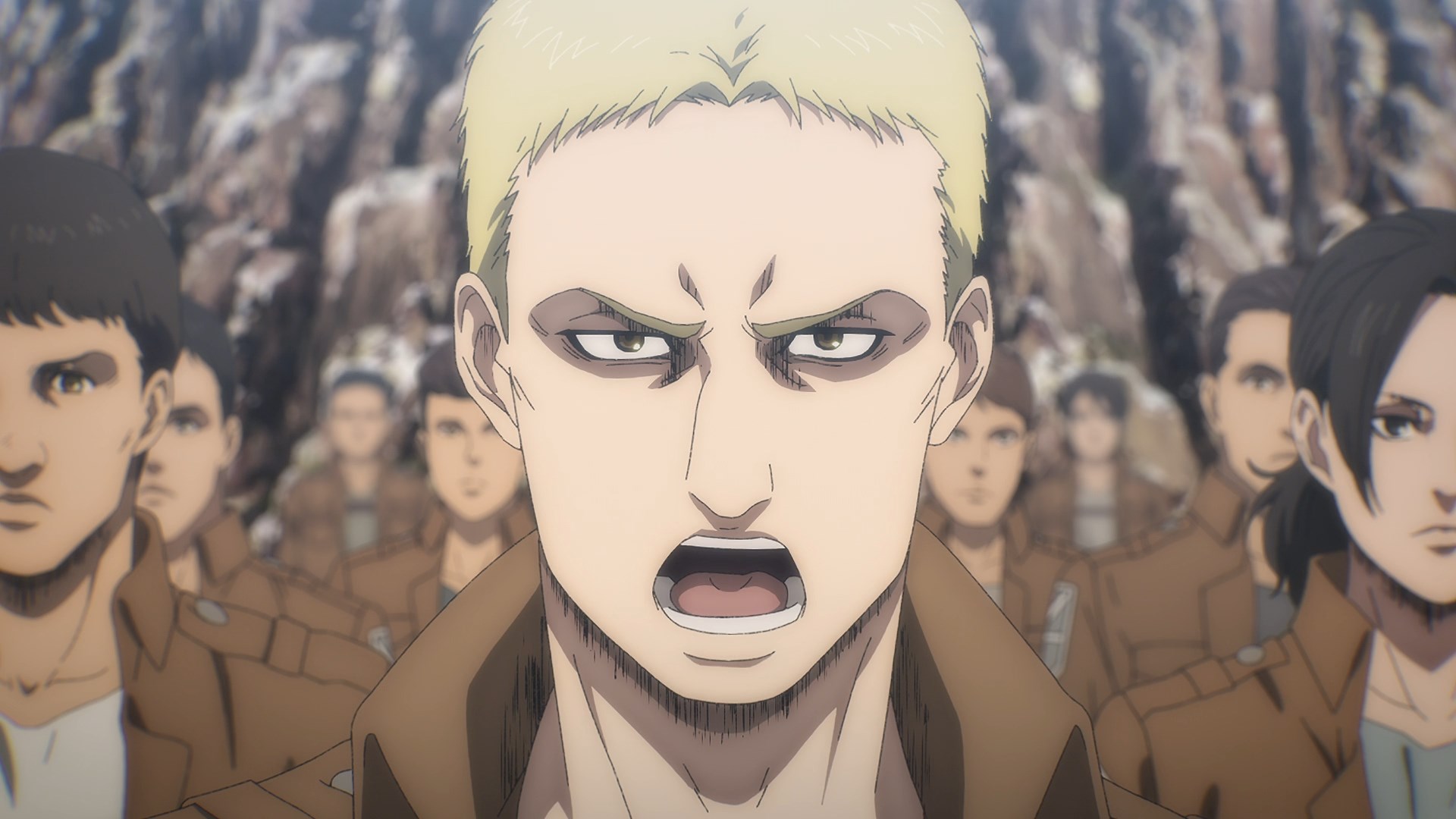
The series consistently explores how individual choices matter within oppressive systems. Erwin's gamble, Levi's loyalty, Armin's idealism, and Eren's radicalization all represent different responses to systemic violence and oppression.
This reflects real-world questions about moral responsibility. How culpable are individual soldiers for wars their nations wage? What responsibility do citizens bear for their governments' actions? When does self-defense become aggression? The Nuremberg trials established that "following orders" isn't a defense for atrocity, yet Attack on Titan shows how indoctrination, limited information, and survival instinct complicate individual moral agency.
Characters like Reiner, who genuinely believed he was saving the world while destroying innocent lives, embody the cognitive dissonance of perpetrators who see themselves as heroes. This mirrors how colonizers viewed themselves as bringing civilization, how American soldiers believed they fought for freedom in Vietnam, or how various actors in contemporary conflicts justify their actions through ideological frameworks that externalize responsibility.
Breaking the Cycle: Is Redemption Possible?
The series' ending (in the manga) suggests that cycles of violence may be inevitable, that hatred perpetuates itself across generations, and that even the most dramatic interventions ultimately fail to change human nature. Yet it also shows characters choosing connection over tribalism, understanding over hatred, and sacrifice for a better future.
This tension reflects our own world. History shows us repeating patterns—empires rise and fall, genocides recur, wars follow wars. Yet history also shows progress: slavery abolished, human rights expanded, international cooperation institutionalized (however imperfectly), and peaceful resolutions occasionally achieved.
The younger generation—Gabi, Falco, and the children who survive the Rumbling—represent both hope and warning. They inherit a world scarred by previous generations' conflicts but aren't bound to repeat them. This mirrors the challenge facing our world: can current and future generations break cycles of violence, nationalism, and oppression, or will they perpetuate them under new banners?
Lessons for Our Time
Attack on Titan doesn't offer easy answers or clear moral lessons. Instead, it presents a complex examination of how fear, trauma, propaganda, and the desire for security can drive even well-intentioned people toward terrible choices. It shows how systems of oppression harm everyone within them, including the oppressors. It demonstrates that understanding your enemy's perspective doesn't necessarily lead to peace, but lacking that understanding guarantees continued conflict.
For our contemporary moment—marked by rising nationalism, information warfare, refugee crises, and existential threats from climate change to nuclear weapons—the series offers sobering reflections. It suggests that:
- Dehumanization is the prerequisite for atrocity. Whether Titans or terrorists, island devils or invaders, reducing others to categories makes violence against them psychologically possible.
- Historical grievances fuel present conflicts. The past cannot be undone, but how we engage with it shapes future possibilities. Competing narratives of victimhood and righteousness prevent reconciliation.
- Information control is power. Those who control the narrative control behavior. Media literacy and access to diverse perspectives become essential democratic defenses.
- Violence begets violence. Retaliation feels justified and necessary to each side, creating self-perpetuating cycles where today's victim becomes tomorrow's aggressor.
- Individual choices matter but aren't sufficient. Systemic problems require systemic solutions, yet systems change through accumulated individual actions.
Conclusion
Attack on Titan succeeds not because it provides answers but because it asks the right questions. In a world grappling with resurgent authoritarianism, refugee crises, historical reckoning, and the specter of catastrophic violence, the series forces us to confront uncomfortable truths about human nature and social organization.
It challenges viewers to recognize propaganda in their own societies, to question national mythologies, to see the humanity in designated enemies, and to resist the seductive simplicity of us-versus-them thinking. Most importantly, it demonstrates that freedom—true freedom—requires more than defeating external threats. It requires confronting internal demons, rejecting cycles of hatred, and building something new rather than destroying what exists.
The walls that imprison aren't always physical. They're the walls of ideology, nationalism, trauma, and fear that we construct around ourselves and our communities. Attack on Titan suggests that these walls, though built for protection, ultimately trap us in cycles of violence. Breaking free requires courage, empathy, and the willingness to imagine a world beyond the fears that define us.
In that sense, the true question the series poses isn't whether humanity can survive the Titans—it's whether we can survive ourselves.
This blog post contains spoilers for Attack on Titan. The views expressed are analytical interpretations and do not necessarily reflect the creator's stated intentions.